The Balancing Act of Technical Program Management in the Age of AI
Reflecting on a challenging AI product launch, I explore how TPMs navigate execution strategies, stakeholder alignment, and risk management while fostering cross-functional trust in a complex landscape.


The Balancing Act of Technical Program Management in the Age of AI
Reflecting on a challenging AI product launch, I explore how TPMs navigate execution strategies, stakeholder alignment, and risk management while fostering cross-functional trust in a complex landscape.
Anticipation And Anxiety Before Launch.
It was a crisp morning, the kind that hints at a new beginning, but my heart felt heavy with the weight of what lay ahead. The product launch we had been tirelessly working on for months was just hours away, and as I sat in front of my laptop, I couldn't shake the feeling of uncertainty. The AI-driven tool we were about to unveil had the potential to revolutionize our workflow, but only if we could execute flawlessly. As a seasoned Technical Program Manager (TPM), I had learned that the success of such complex initiatives hinges not just on technology but on the intricate web of human relationships, trust, and strategic planning.
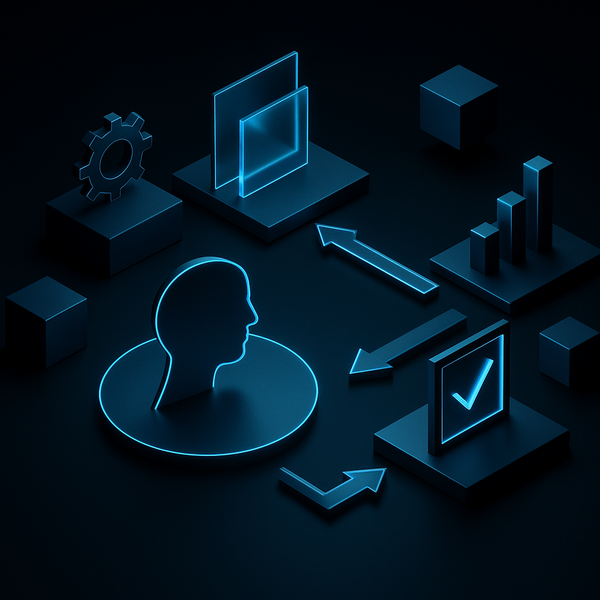
In the world of AI, the stakes are even higher. We are not just launching a product; we are setting a precedent for how our organization will leverage this powerful technology moving forward. My first step in this journey was to frame our execution strategy with a clear understanding of its impact and prioritization. I spent hours with my team mapping out the critical features of our AI tool. We needed to ensure that every member of the team understood their role and the importance of their contributions. This is where the RACI (Responsible, Accountable, Consulted, Informed) model became invaluable.
By clearly defining roles, we avoided the confusion that often plagues cross-functional projects. Each team member knew what was expected of them, which allowed us to align our efforts with the broader organizational goals. It’s fascinating how a simple chart can clarify responsibilities and foster a sense of ownership. In the realm of AI, where ambiguity can lead to misalignment, this clarity is crucial.
Kickoff planning is another critical area where I’ve seen TPMs excel. We organized a kickoff meeting that was both informative and engaging, ensuring that stakeholders from various departments were not just present but actively participating. I shared the vision for our AI tool, emphasizing how it would streamline processes and enhance productivity. I made it a point to listen to their concerns and suggestions, fostering a culture of collaboration. This approach not only built trust but also empowered the team to take ownership of the project.
Dependency mapping was another cornerstone of our strategy. With AI projects, dependencies can often become tangled, leading to unforeseen delays. I meticulously mapped out the dependencies between the AI model development, data collection, and user interface design. This exercise revealed critical paths and potential bottlenecks we needed to address upfront. It’s remarkable how visualizing dependencies can transform chaos into clarity, enabling us to anticipate challenges before they arise.
Risk management, particularly in the realm of AI, is a nuanced endeavor. The risks are not just technical; they also encompass ethical considerations and data integrity. As I led discussions about potential risks, I encouraged my team to think beyond the obvious. For instance, we had to consider biases in our AI algorithms and ensure that our tool would uphold the values of fairness and transparency. Acknowledging these risks upfront allowed us to develop mitigation strategies that built confidence among stakeholders.
One of the most profound lessons I’ve learned as a TPM is the art of narrative-style communication, especially when addressing executives. Data and metrics are essential, but they don't tell the whole story. I crafted a narrative that intertwined our project’s goals with the broader vision of the organization. I painted a picture of how our AI tool could become a game-changer, not just for our team but for the entire company. This approach resonated with the executives, who were not just looking for numbers but for a compelling vision that aligned with their strategic objectives.
As we navigated the complexities of the launch, I found myself influencing the process indirectly. It’s easy to think that a TPM’s role is purely operational, but I’ve discovered that our true impact lies in building trust across teams. I made it a point to celebrate small victories, publicly acknowledging the efforts of individuals and teams. This created a ripple effect of positivity, encouraging collaboration and boosting morale during tense moments.
Looking back, the product launch was a whirlwind of emotions, challenges, and triumphs. Our AI tool was received with enthusiasm, but the real victory was the collaborative spirit we cultivated throughout the process. As I reflect on this journey, I am reminded that in the world of AI, where uncertainty is the norm, the role of a TPM is to be the steady hand that guides the ship. We may not always be in the spotlight, but our influence is felt in every successful program that moves forward.
As I close my laptop and step away from the whirlwind of launch day, I am filled with gratitude for the lessons learned.
Leading AI Progress Through Collaboration
The intersection of Technical Program Management and Artificial Intelligence is a challenging yet rewarding landscape. It requires us to be not just managers but also leaders, fostering trust, clarity, and collaboration. In this new era, let us embrace the complexities, knowing that our role is crucial in steering the future of technology.